

Have you ever run your hand over the smooth polish of your Amish-made table and noticed the depth of the grain beneath the finish? Or wondered why a solid wood piece feels different—heavier, warmer, more substantial—than anything mass-produced?
To understand how Amish furniture is made, it helps to start at the very beginning. The Amish craftsmanship process is not rushed. It begins decades before a piece reaches your home.
From Forest to Mill: Where Quality Begins
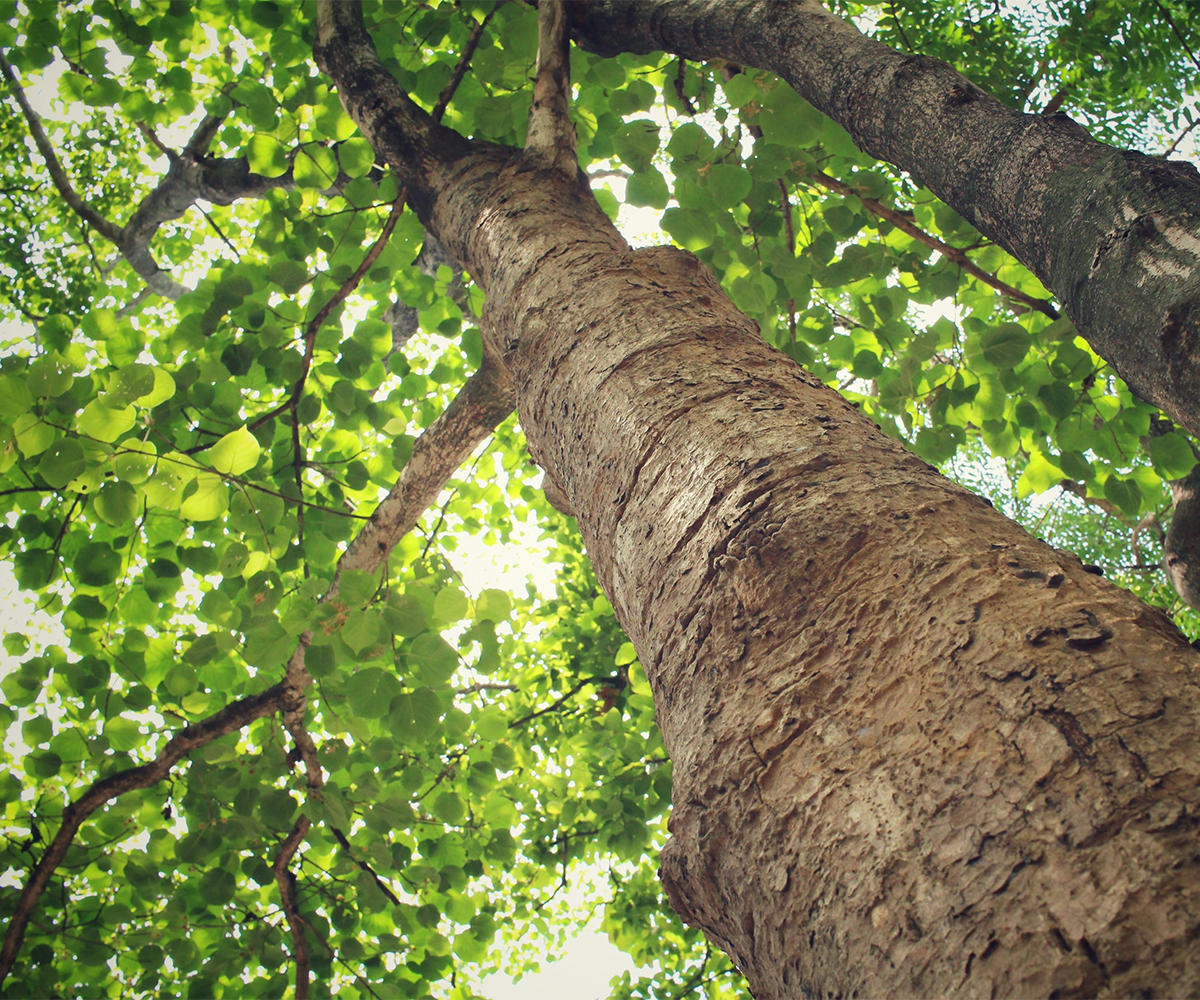
Amish furniture craftsmanship begins with the selection of hardwood. Many of the most sought-after species—red oak, cherry, and maple—are grown in regions known for slow, steady growth.
In northern climates like Wisconsin and Pennsylvania, long winters shorten the growing season. As a result, trees develop tighter grain patterns. In red oak, this means greater density and a more pronounced, consistent appearance. In cherry, it often means fewer natural imperfections, such as gum pockets.
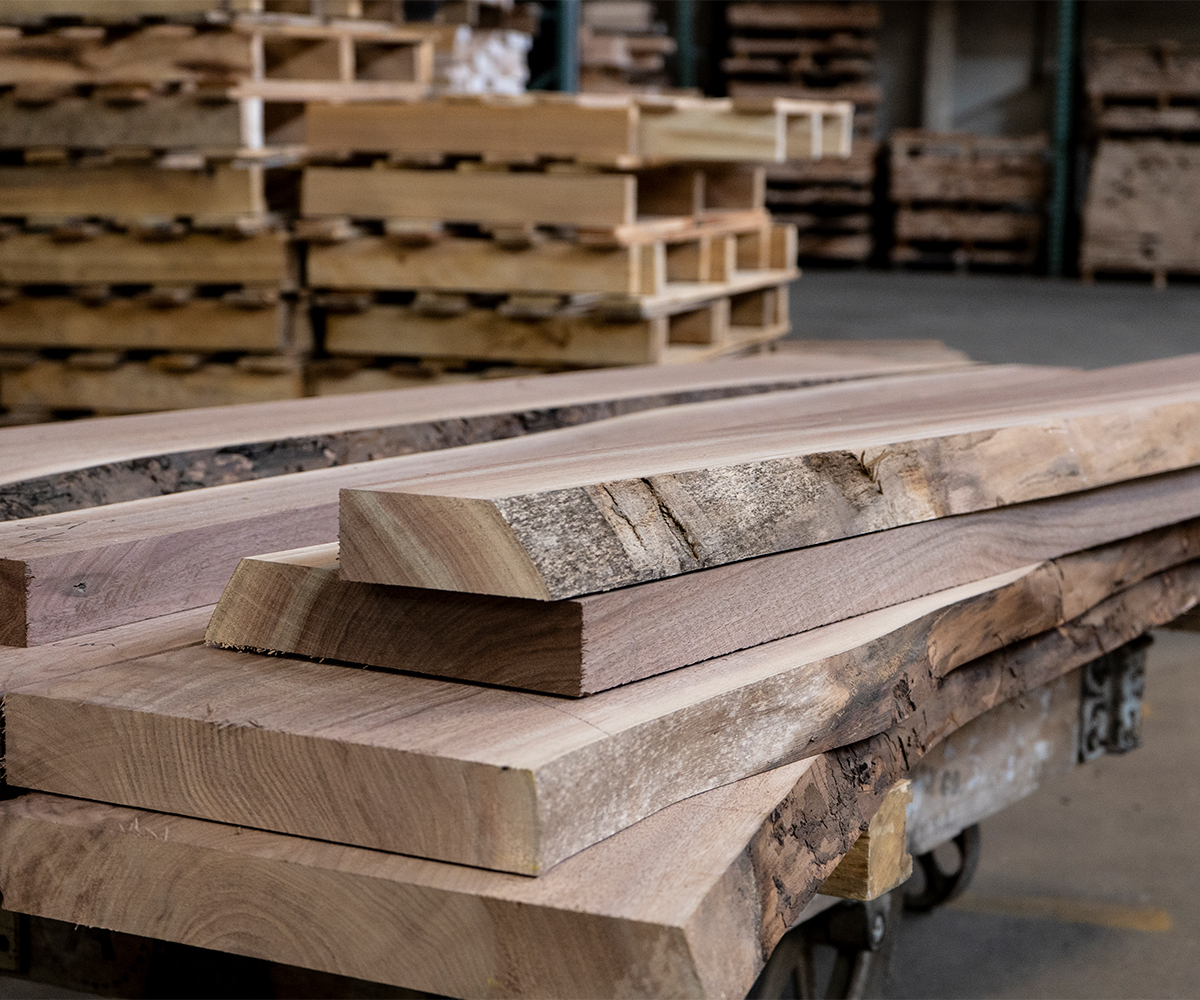
After 50 to 100 years of growth, these trees are carefully harvested and milled into lumber. At this stage, the boards are sorted by quality, grain pattern, and intended use.
Before reaching a workshop, the wood is kiln-dried—a critical step in the handmade furniture process that reduces moisture content by 6-8% to prevent warping. Drying removes excess moisture, stabilizing the wood, so it won’t warp, crack, or shift after it’s built into furniture.
From Mill to Amish Woodshop: Amish Craftsmanship Takes Shape
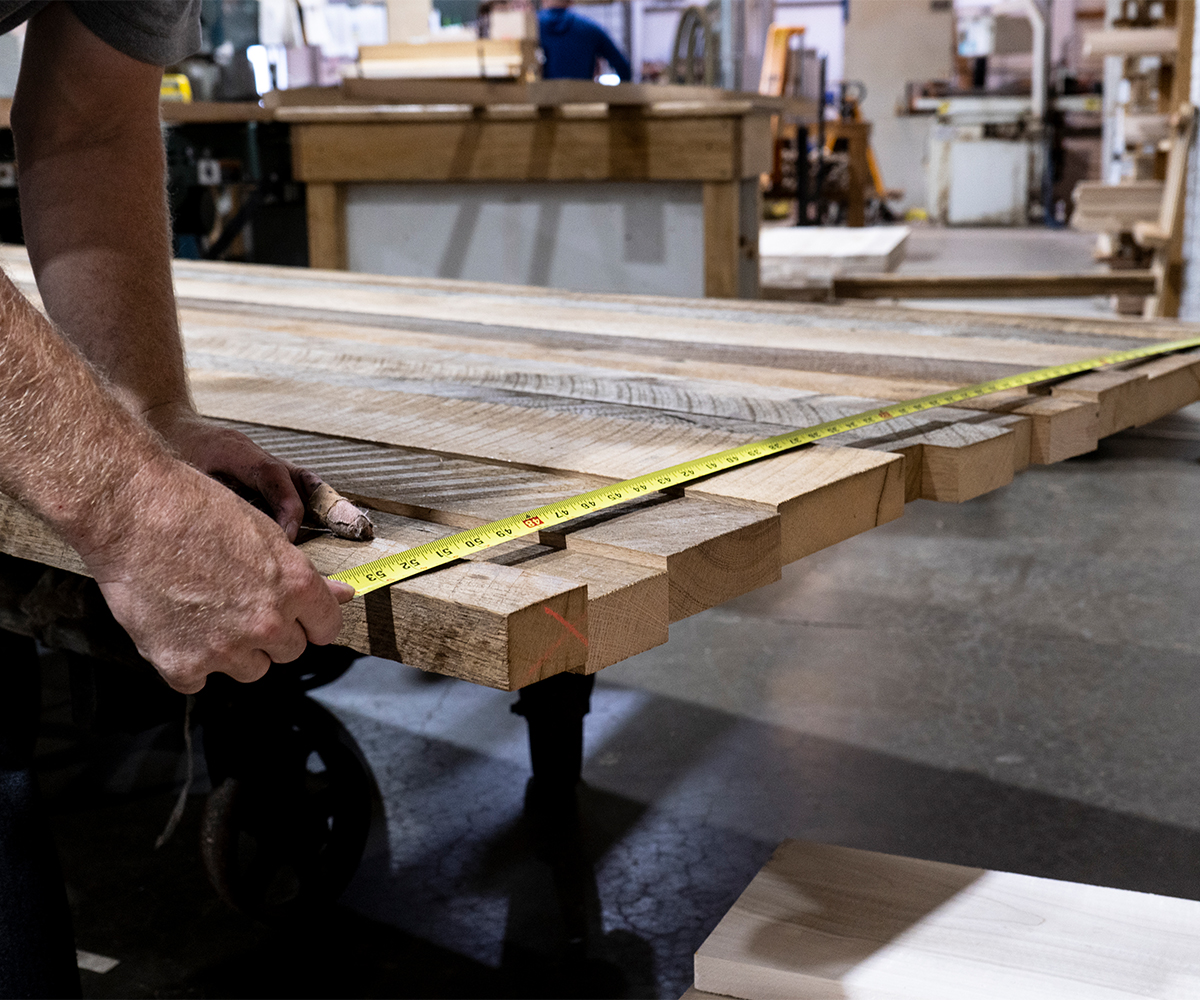
Once dried, the lumber is shipped to small Amish woodshops throughout Ohio and Indiana. These shops operate on different models from large-scale factories.
Instead of mass production, most Amish furniture is built to order.
That means each piece begins with a specific customer request—dimensions, wood type, stain color, and design details. From there, a craftsman selects boards not just for size, but for how the grain will look across a tabletop or along a drawer front.
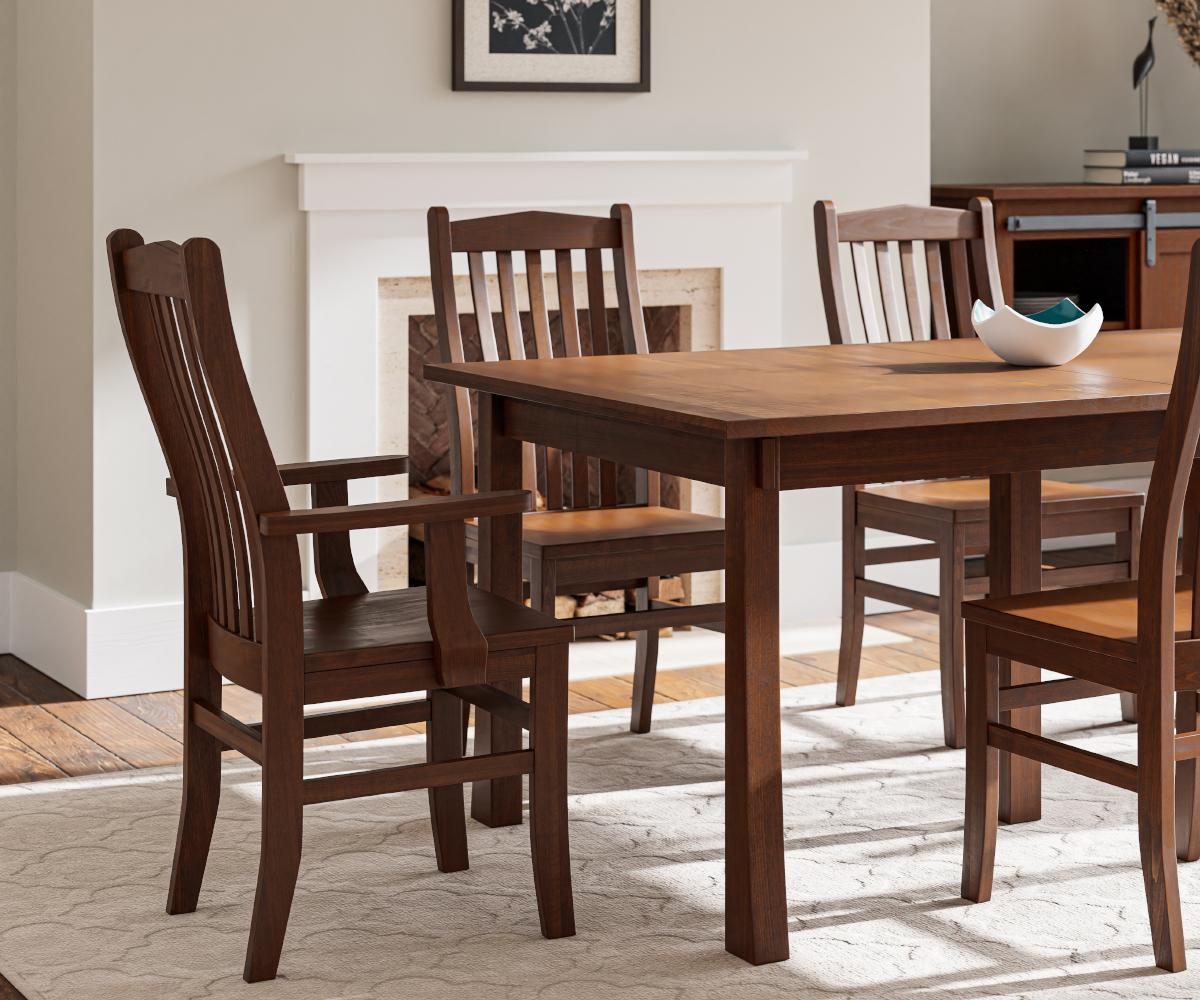
At shops like Berlin Woodworking, Brookside Home Furnishings, and Troyer Ridge Furniture, this attention to detail defines the work. Builders rely on time-tested joinery methods—such as mortise-and-tenon joints and dovetail drawers—to ensure long-term strength.
Each component is shaped, assembled, and then carefully hand sanded. This step alone can take hours, as craftsmen work through multiple grits to create a surface that is completely smooth to the touch.
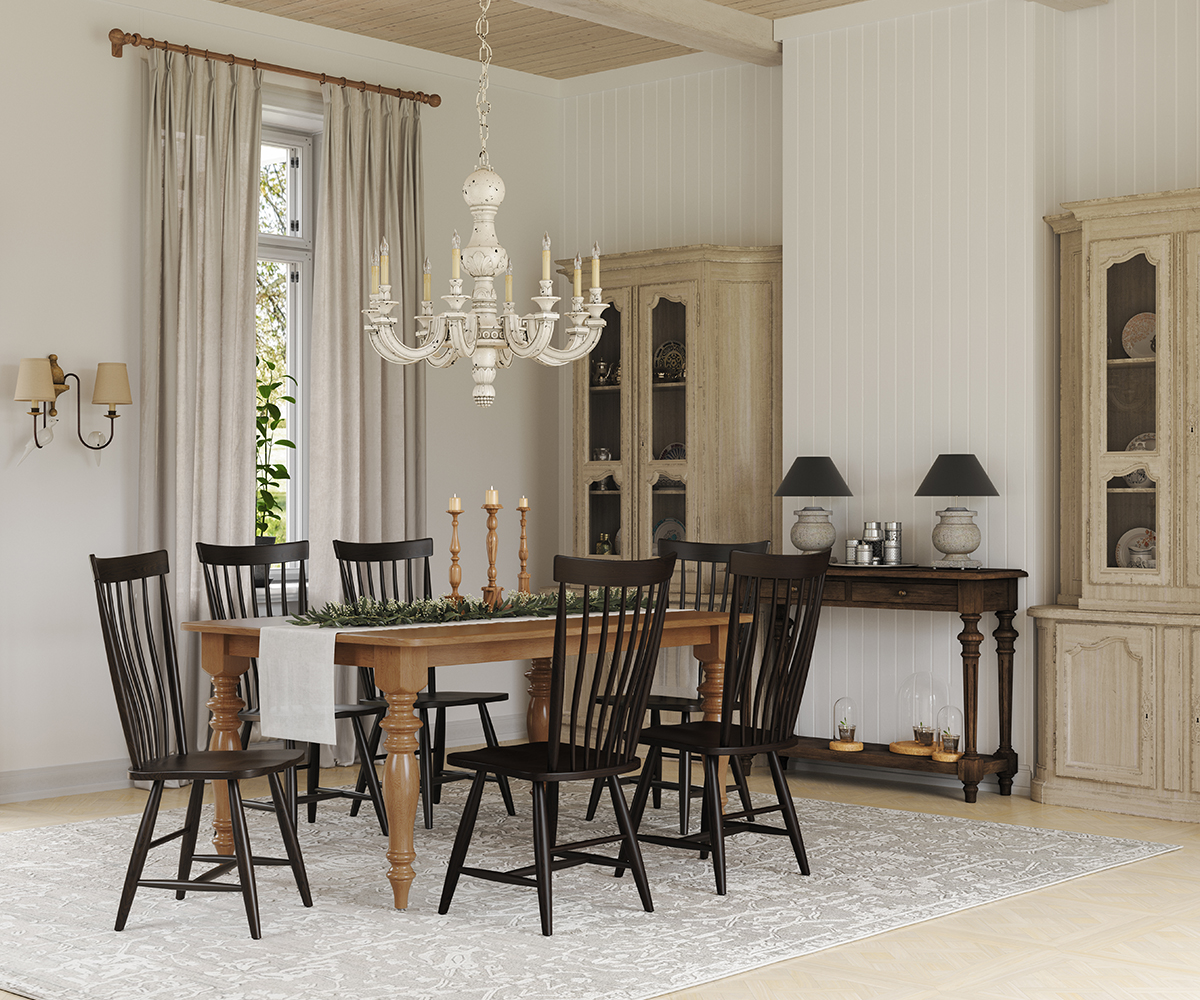
Finally, the piece is finished—often with hand-applied stains and protective topcoats that bring out the wood’s natural character while adding durability for everyday use.
A Closer Look: The Craftsman Behind the Work
At Troyer Ridge Furniture, owner Eli Troyer has been working with wood since he was a boy, starting with small projects and gradually building his skills. By his early twenties, he had begun making furniture part-time and eventually committed to it full-time.
His first workshop measured just 240 square feet. He started out making bedroom furniture, and that’s still what his shop is known for. It’s a bit bigger now, and although, as the owner of a much larger business, he still makes time to create wholly custom designs.
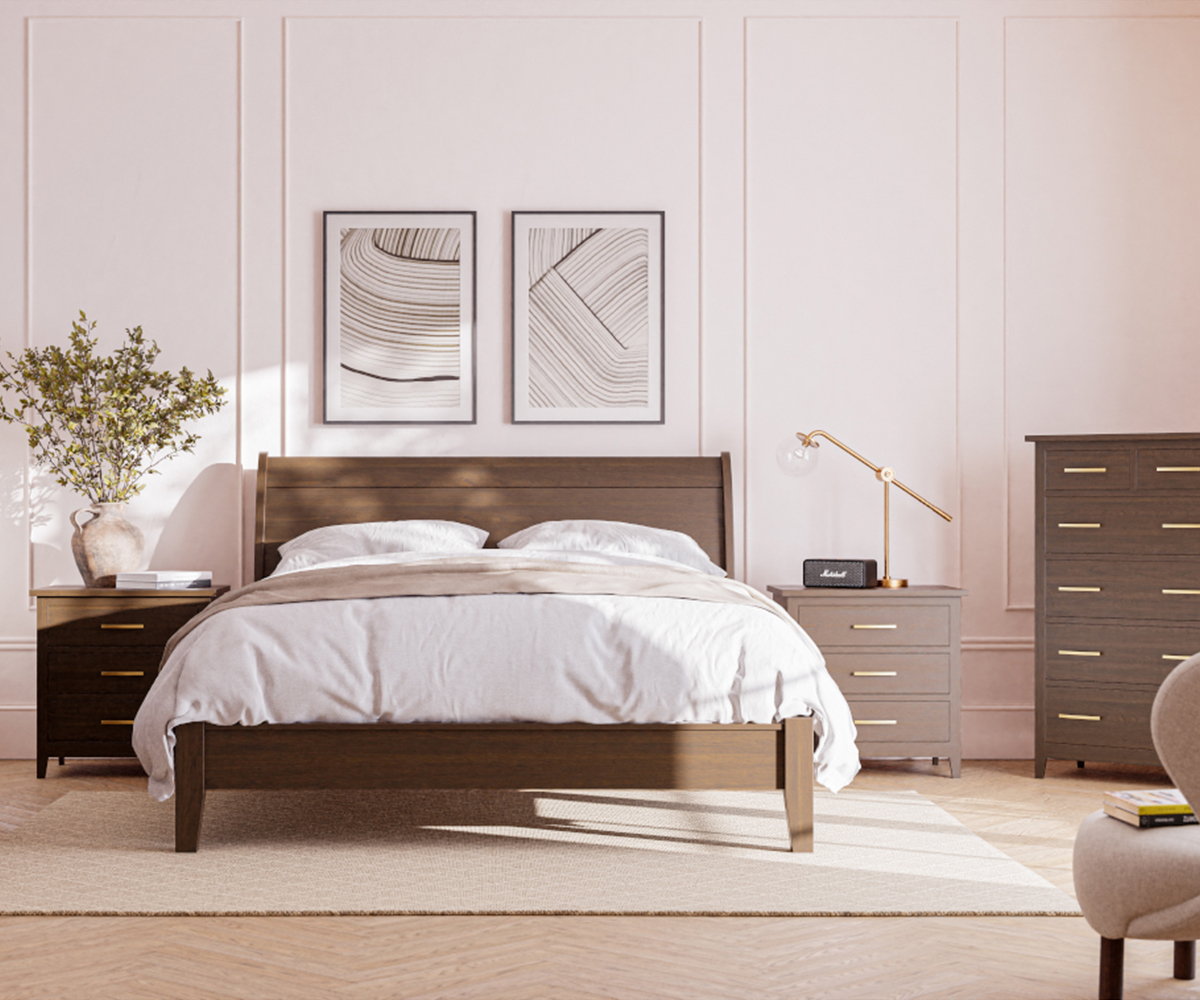
Eli noted that while styles have changed—nightstands, for example, now often include built-in charging options—some priorities have not. As he put it, “The value of good customer service hasn’t changed, as well as working with integrity, and treating people the way you want to be treated.”
That mindset carries through the entire process, from selecting materials to completing final details.
Why the Process Matters
Understanding how Amish furniture is made helps explain why these pieces stand apart.
- Solid hardwoods are selected for strength and appearance.
- Wood is properly dried to ensure long-term stability.
- Joinery methods are designed for durability.
- Each piece is hand-built and finished.
The result is furniture that is made to last—not just for years, but often for generations.
From Woodshop to Your Home
Because Amish furniture is built in small shops, communication plays a key role in the process. At Memory Lane Furniture in NJ, we work directly with builders in Ohio and Indiana to ensure that each order is clearly specified and carefully executed.
Every detail—from wood type to finish—must be accurately communicated, so the final piece matches the customer’s expectations. This direct connection allows for a level of customization and consistency that is difficult to achieve in mass-produced furniture.